HLA Type and the Effect of HLA Antibodies in Kidney, Liver, and Pancreas Transplantation: A Review
-
Zarei, Edalat
-
Shiraz Transplant Research Center, Shiraz University of Medical Sciences, Shiraz, Iran
-
Roozbeh, Jamshid
-
Shiraz Nephro-Urology Research Center, Shiraz University of Medical Sciences, Shiraz, Iran
-
Nikeghbalian, Saman
-
Shiraz Transplant Research Center, Shiraz University of Medical Sciences, Shiraz, Iran
-
Ahrami, Mahbube
-
Shiraz Transplant Research Center, Shiraz University of Medical Sciences, Shiraz, Iran
-
Nasrollozoda, Farukhruzi
-
National Scientific Center for Human Organs and Tissues Transplantation, State Medical University, Dushanbe, Republic of Tajikistan, Tajikistan
-
Hashemzehi, Ahmad
-
Department of Pharmaceutics, Faculty of Pharmacy, Tehran University of Medical Sciences, Tehran, Iran
-
 Hashemzaei, Masoud
Pharmaceutical Sciences Research Center, Shiraz University of Medical Sciences, Shiraz, Iran, Tel: +98 9158409013; E-mail: hashemzaei.masoud@gmail.com
Hashemzaei, Masoud
Pharmaceutical Sciences Research Center, Shiraz University of Medical Sciences, Shiraz, Iran, Tel: +98 9158409013; E-mail: hashemzaei.masoud@gmail.com
Abstract: Solid Organ Transplantation (SOT) has evolved from being an experimental procedure to a well-established therapeutic option for patients with end-stage organ failure. Among the most prevalent types of transplantation are liver, kidney, and pancreas transplants. Progress in surgical techniques and organ procurement has led to a decrease in complications, such as ischemic injury. Nevertheless, immune-mediated graft rejection continues to pose a significant challenge. The purpose of this review is to underscore the significance of Human Leukocyte Antigen (HLA) in the outcomes of SOT, particularly its critical role in donor–recipient matching, the risk of rejection, and the long-term survival of grafts. A comprehensive review of the relevant literature concerning the relationship between HLA and SOT was conducted, focusing on the function of Major Histocompatibility Complex (MHC) molecules, HLA typing, and the effects of HLA diversity on organ matching and clinical results. HLA typing serves as a fundamental element in assessing donor–recipient compatibility and minimizing the chances of graft rejection. The extensive polymorphism of HLA alleles, along with the existence of donor-specific anti-bodies, complicates the matching process, influences waiting periods, and impacts graft prognosis. Modulating HLA-mediated immune responses has the potential to enhance graft stability in liver, kidney, and pancreas transplantation. HLA molecules are crucial to the success of SOT. Ongoing clinical trials investigating novel immunosuppressive agents and HLA-targeted strategies may improve rejection management and long-term transplant outcomes. This review highlights the critical importance of HLA in liver, kidney, and pancreas transplantation.
Introduction :
Human Leukocyte Antigen (HLA) system is a complex of genes found in Major Histocompatibility Complex (MHC) that encode surface cell proteins, and has a pivotal role in regulation of the human immune system 1-3. MHC has 3 classifications; namely MHC-I (A, B, and C), MHC-II (DP, DM, DO, DQ, and DR) and the MHC-III region that encode components of the complement system 4-6. The function of MHC is to bind peptide fragments determined from pathogens and present them on the cell surface for recognition by the appropriate T cells 7,8.
Solid Organ Transplantation (SOT) between different individuals have led to fast rejection of the transplanted allograft because for this reason, HLA typing methods are crucial for determining the compatibility between donors and recipients. These methods such as serological methods, Sequence-Specific Priming (SSP), Sequence-Specific Oligonucleotide Probing (SSOP), Reference Strand-based Conformation Analysis (RSCA), and Sequence-Based Typing (SBT), help identify the specific HLA types of both the recipient and donor and aid in successful transplantation procedures and decrease the risk of graft rejection 9,10. However, the diversity of HLA alleles and haplotypes across different populations poses an important obstacle to organ and hematopoietic stem cell transplantation. This challenge stems from the discovery of HLA incompatibilities by T and B lymphocytes 11,12. While selecting organs for transplant recipients, it is crucial to consider the existence of anti-HLA antibodies that may be now beforehand. Despite the use of immunosuppressive drugs, the synthesis of new anti-HLA antibodies remains a significant reason for graft rejection 13. However, factors like donor type, donor age, and the specific immunosuppressive treatment can affect the benefits of HLA matching 14,15.
Successful transplantation with an identical HLA profile has been achieved between monozygotic twins, as within to begin with successful living-related kidney transplant between identical twins in 1954, performed by Joseph E. Murray 16,17. The immune response triggered against transplanted organs or tissues by specific cell surface molecules can potentially lead to graft rejection 18,19. Various types of transplantation antigens have been identified. They consist of little histocompatibility antigens, ABO blood group antigens main histocompatibility molecules, and endothelial cell antigens. These antigens play an essential role in the immune recognition process and can lead to the development of graft rejection 20,21.
It is important to state that only a subset of patients may find an adequately matched donor, resulting in longer waiting times 22. To provide a comprehensive understanding of the topic, a detailed review was conducted of a wide range of studies that investigate the relationship between HLA and solid organ transplantation, shedding light on the complexities and advancements of this field 23.
HLA
In 1958, a significant breakthrough occurred when a research team successfully identified an alloantigen (an antigen that is found exclusively in certain individuals) on human leukocytes, thus establishing it as the pioneering HLA 11. This discovery catalyzed the advancement of the HLA field, which has since expanded beyond its initial focus on histocompatibility and gained prominence in both basic and clinical immunology 24. HLA refers to a group of cell surface proteins encoded by genes located within the MHC in humans 9,11. In mice, these proteins are referred to as H-2 25,26. These genes are located on the short arm of chromosome 6 at the 6p21 position with approximately 4,000 kilobases (kb) of DNA and encode three main classes of proteins 27. Biologically, HLA molecules play a main role in immune responses. HLA class I (HLA-A, HLA-B, and HLA-C), all of which present peptides from inside the cell and stimulate T-lymphocytes call-ed cytotoxic T cells (also referred to as CD8+ T-cells), class II (HLA-DP, HLA-DQ, and HLA-DR), present antigens from outside of the cell to T-lymphocytes 28. These particular antigens presented to T-helper cells (also called CD4-positive T cells), which are triggers for antibody-producing B-cells and class III that are not directly involved in antigen binding and have a role as signaling molecules in cell communications include components complement (C2,C4), steroid 21- hydroxylase (CYP21), Heat Shock Protein (HSP) and Tumor Necrosis Factors (TNF) 29,30.
HLA is found on the top of almost all nucleated cells. They have a crucial role in initiating graft rejection, which is the immune response triggered when foreign tissue is introduced during transplantation. By recognizing and presenting antigens to immune cells, HLA molecules help to distinguish between "self" and "non-self" cells, enabling the immune system to mount an appropriate response. Clinically the study of HLA has provided valuable insights into immune function, transplantation, and various diseases associated with immunogenetics, contributing significantly to our understanding of these fields (Figure 1) 9,23,29.
Recent insights have clarified the function of antibodies and B cells in regulating the function and survival of transplanted organs 31. Significant improvements in diagnostic techniques, such as immunohistochemistry and serology, have led to the monitoring of antibody responses against HLA antigens 32. It is significant to note that even organ transplantation between HLA-identical donor and recipient, acute and chronic rejection can still occur, accentuating the significance of diversity in any other protein apart from leukocyte
antigens that could elicit immune responses versus non-HLA targets. It is now understood that alloimmunity and autoimmunity work together to produce non-HLA antibodies but autoantibodies appear to play a more dominant role 32,33.
Non-HLA antibodies can be categorized into two primary groups: Ⅰ. alloantibodies that attack polymorphic antigens found in the donor but not in the recipient, Ⅱ. autoantibodies that target self-antigens.
Non-HLA antibodies can target a variety of antigens, including vascular receptors, minor histocompatibility antigens, intermediate filaments, and adhesion molecules 34. These antibodies can function both complementarily and non-complementarily, resulting in a range of acute and chronic pathogenesis 35. Developing methods that 36 consider the intricate mechanistic variations in specific antibody responses, focused against non-HLA antigens, could aid in recognizing patients more susceptible to irreversible chronic or acute allograft injuries, ultimately leading to better transplant surgery outcomes 32,37. Advancements in genome-wide and transcriptomics assessment have provided valuable insights into the underlying mechanisms involved 35,38, 39.
Non-HLA antibodies mainly focus on vascular endothelial antigens that are available for immune detection 36. Some of these antibodies are autoantibodies, which develop against self-proteins found in both the recipient and the graft, and are frequently observed in autoimmune disorders. These antibodies may arise following tissue damage due to the exposure of hidden self-epitopes or as a result of post-translational modifications 40. Notable examples include antibodies targeting alpha-enolase 1 (ENO1) and Vimentin (VIM), which can be identified using Luminex non-HLA panels. Furthermore, genetic differences between the donor and recipient that exist outside the HLA system can provoke alloimmune responses, as illustrated by antibodies directed against Glutathione S-Transferase Theta 1 (GSTT1) 40,41.
Anti HLA
A key issue in the first days after transplantation, following Brent's discovery that the reaction to allografts is immunological, was the debate over whether graft rejection primarily occurs through humoral (antibody-mediated) or cellular mechanisms 42. Presently, the cellular theory of graft rejection is widely accepted as the prevailing explanation. However, despite numerous efforts to identify pretransplant immunization through tests measuring T lymphocyte function, only the anti-HLA Panel-Reactive Antibody (PRA) test, as-sessing humoral alloimmunization, has been successful. The clinical importance of the humoral immune response was dramatically shown in 1969 when an entire transplanted kidney was instantaneously destroy-ed by HLA antibodies 42-44. Recent reviews have emphasized the raised risk of graft rejection in patients with pretransplant anti-HLA PRA, prompting the routine level of anti-HLA antibodies before transplantation 13. However, post-transplant screening of the mention-ed antibodies is not consistently performed. Encouragingly, recent advancements in techniques for diagnosis anti-HLA antibodies, paired with numerous studies de-monstrating the link between post-transplant anti-HLA antibodies and adverse events, suggest the potential clinical utility of such testing in gaining valuable insights into the mechanisms behind graft rejection 42.
Solid-organ transplantation
As mentioned in the introduction, in the current era, SOT are carried out globally, increasing the length and quality of life in patients. The most important SOTs are the kidney, liver, lung, heart, intestine, and pancreas.
Kidney
Kidney transplantation, an ideal choice for end-stage kidney disease, has many advantages, including better quality of life and longer life expectancy in com-parison to dialysis. Nevertheless, a significant number of patients face complications in finding a suitable kidney due to broad sensitization compared to HLA antigens, limiting the availability of HLA-compatible organs 34.
To overcome this challenge, certain highly sensitized individuals may undergo pretransplant desensitization. These programs involve techniques such as plasmapheresis combined with high doses of rituximab plus IVIg, intravenous polyvalent immunoglobulins (IVIg), semi-specific immunoadsorption plus imlifidase, a recombinant cysteine protease capable of cleaving human IgGs, rituximab or tocilizumab 45. This table provides a summary of 24 clinical trials concerning kidney transplantation and HLA immunology. It encompasses the titles of the studies, NCT registration numbers (each trial is recognized by its official title along with its ClinicalTrials.gov registration number), the status of the trials, the conditions examined, interventions (including immunosuppressive drugs, biologics, or procedures), and the phases of the clinical trials. The focus of these trials includes areas such as desensitization, immune tolerance, prevention of transplant re-jection, and the impact of various immunosuppressive therapies (Table 1).
In spite of pretransplant desensitization, many patients underwent renal transplantation despite the presence of donor-specific anti-HLA alloantibodies, resulting in what we refer to as HLA-incompatible (HLAi) renal transplantation 46.
Lymphocytotoxicity: Three decades ago, Terasaki and colleagues were the first to report that renal transplant recipients with lymphocytotoxic antibodies in their serum previously transplantation were at a higher hazard of graft failure 47,48. This discovery has been accepted by numerous subsequent researches. As a result, it is now routine practice to test patients awaiting kidney transplantation for lymphocytotoxic Panel-Reac-tive Antibodies (PRA) as part of the evaluation process 49. Patients who are awaiting kidney transplantation undergo regular testing for lymphocytotoxic PRA, and the allocation of grafts is dependent on the results of the T- and B-cell Complement-Dependent Cytotoxicity (CDC) crossmatches. Additionally, new techniques uti-lizing extremely sensitive and severely HLA-specific ELISAs have been developed for pretransplant antibody testing 50,51.
While the outcome of renal transplantation can be influenced by various factors, HLA-identical siblings’ donors are considered as a distinct group. They have meaningfully higher success rates compared to transplants of HLA-mismatched donors and serve as the standard for comparison with other donor sources. However, grafts from HLA-identical sibling donors are less likely to be rejected without immunosuppression; recipients still receive lower doses of immunosuppressive regimens compared to recipients of grafts from deceased donors. The necessity for an immunosuppressive regimen indicates that aside, from HLA, it is very probable that some other antigen systems are responsible for graft failure. HLA-identical sisters and brothers transplants do not present an aim for anti-HLA antibodies, and the intensity of PRA prior to transplantation may not affect their success rate 52,53.
HLA desensitization: IL-6 presents an appealing goal in HLA desensitization procedures 54,55. This cytokine possesses multiple functions and influences the activities of B and T cells. This is generated by different cells in the essential immune system, B cells, and to some breadth CD4 T helper (Th) cells 56,57. IL-6 also plays a role as a delayed factor in B cell separation, promoting the transformation of B cells to antibody-producing cells and facilitating germinal-center responses. Additionally, it adjusts the acute phase repercussion during inflammation interferes with plasma blasts and decreases the amount of mixing T follicular helper cells and IL-21 production 57.
HLA Matchmaker: This approach identifies HLA Matchmaker, a computer algorithm analyzing HLA antigen as a sequence of multiform amino acid triplets located in regions available to antibodies on the HLA molecules at the structural level. Interestingly, this algorithm can recognize HLA antigens that would be considered inconsistent using customary indicators. However, if these antigens contribute all their triplets to the patient, they are deemed completely suitable at the epitope level. This plan has proven especially valuable in identifying suitable donors used for very sensitized patients 58.
HLA-A, -B, G, and -DR antigens and the degree of donor: In renal transplantation, level of HLA-A, HLA -B, and HLA-DR antigen mismatch between the donor and recipient is commonly used to assess donor-recipient compatibility 59. Researches consistently show that transplants with zero HLA antigen mismatches have the maximum accomplishment rates. This led to the adoption of an allocation policy in which zero-mismatched cadaver kidneys are allocated through mandatory sharing. However, only a few percentages (9%) of all renal transplants recorded by the United Network for Organ Sharing (UNOS) fall into this zero-mismatch category. Furthermore, using HLA matching for organ allocation system can put certain groups at a disadvantage, as they have diverse HLA antigen frequencies 60,61.
A method of evaluating donor-recipient adaptability takes into account public epitopes shared by HLA antigens in Cross-Reactive antigen Groups (CREGs). These epitopes are mainly defined by alloantibodies and characterized by class I antigens encoded by the HLA-A and HLA-B loci. CREG matching takes into account wider groups of HLA-A and HLA-B antigens that share public epitopes, partly than focusing on exclusive HLA antigens. This substitute HLA-based organ assign system aims to profit a larger number of transplant recipients and offer better availability to well-matched organs for minority populations 62,63.
Advancements in immunosuppressive strategies in the late 1980s and 1990s 64,65 were highly effective in controlling T-cell alloimmunity and occasioned an important decrease in instances of acute rejection caused by T-cell-mediated responses. Nowadays our ability to manage Antibody-Mediated Rejection (AMR) has been exposed as a challenge, and the significance of chronic AMR came to light 64. Two key advancements greatly contributed to our comprehension of antibody-media-ted allograft injury. Firstly, it was recognized that the presence of the supplement gap invention C4d, exclusively in the peritubular capillaries of kidney allografts, can specify antibody-mediated injury to the graft. Secondly, the union between the detection of Donor HLA-Specific Antibodies (DSA) using extremely sensitive techniques and poorer outcomes in kidney transplantation became evident 60.
These advances have greatly enhanced our comprehension of the character antibodies play in the rejection of transplanted organs, presenting new opportunities for specific strategies to address AMR in transplantation. Recent studies have indicated that more than 60% of cases involving the loss of kidney grafts later on, can be attributed to antibody-mediated damage to the tissue. Additionally, mounting evidence suggests that HLA antibodies are accountable for graft fatality in kidney transplantation and other SOTs 60,66.
To achieve successful graft outcomes, it is necessary to monitor HLA class I and II antibodies and the deprivation of alloantibodies mismatches in susceptible kidney recipients. Currently, the CDC test is commonly used to assess PRA in the serum of recipients, which helps identify potential Donor-Reactive Antibodies (DRA) during cross matching. Furthermore, CDC or Flow Cytometry (FC) methods are employed for early investigation of DRA after transplantation, aiding for the monitoring of rejection 49,60. The arrival of DRA signals the beginning of vascular rejection, prompting rejection therapy utilizing polyclonal or monoclonal antibodies. Nevertheless, there are several limitations to using the CDC test for monitoring the HLA-specific antibody condition of transplant patients before and after transplantation 60.
These drawbacks include (a) CDC's inability to diagnose non-complement-fixing antibodies: The CDC test primarily focuses on detecting complement-fixing antibodies, which means it may miss non-complement-fixing antibodies that can still contribute to graft rejection 61,67,68. (b) Impracticality during antibody rejection therapy: When patients undergo antibody rejection therapy using medications such as OKT3 or antithymocyte globulin antibodies, the presence of these antibodies can interfere with the CDC test results 68,69. To overcome this, additional steps, such as affinity chromatography, may be required to remove these medications from the patient's serum before conducting the CDC test 68,70. (c) Limited sensitivity and lack of HLA specificity: the CDC test may have limited sensitivity, potentially leading to false-negative results. Furthermore, it does not always provide HLA-specific information, meaning that it may not accurately identify the specific HLA antibodies involved in the rejection process 68,71.
A higher risk of antibody-mediated injury and initial loss of the transplanted kidney is seen in patients with antibodies against donor HLA class I. However, the significance of having antibodies against HLA Class II is not as well understood 72.
HLA-G is produced in the cytotrophoblast throughout the process of planting and is believed to enable endurance and support the growth of a partially genetically distinct embryo. In laboratory settings, HLA-G hinders the destructive action of Natural Killer (NK) cells and CD8 T-cells. Additionally, HLA-G reduces the proliferation of CD4 T-cells. These findings represent that HLA-G has a function in facilitating the acceptance of organ transplants from genetically different donors in humans 73.
HLA epitope: By examining antibody recognition and its impact on HLA antigen matching, we can gain insights into preventing the severe effects of de-novo donor-specific antibody (dn-DSA) establishment and reducing the dangers associated with transplantation when pre-existing anti-HLA antibodies are present. Epitopes, which are characterized by their potency to bind antibodies, offer a means of addressing the alloantibody response through an epitope-based matching system. Considerable advancements have been made in defining HLA epitopes, particularly with the popularization of the eplet system. This system is favored due to its strong theoretical foundation, validation through the identification of eplet-particular antibodies, user-friendliness, and correlation with clinical outcomes. However, large-scale based on cooperation research is necessary to corroborate the possible benefits of HLA epitope-based matching previously recommending its widespread implementation in clinical practice 74-76.
HLA in young recipients than older recipients: The result of HLA matching on maintaining graft performance and the potential for obtaining a subsequent graft after graft loss may hold greater significance for younger recipients than older recipients 77. Young adult and pediatric renal transplant recipients face a significantly better danger of graft failure leading to death than other age groups. The graft failure rates reach their top as young recipient’s transition between the ages of 17 and 24 77,78. Furthermore, young recipients have an extended expected lifetime due to their young age, necessitating an effective graft for several decades. These aspects contribute to the significantly higher likelihood that youthful recipients will want a second graft at several points in their lives. Hence, it is crucial to propound the role of HLA matching on the existence of the initial graft, the expected time for a second transplant, and the total duration of graft occupation throughout their lifetime 77,78.
Non-HLA antibody in kidney grafts: While the polymorphic HLA has long been the key target for alloimmunity, recent findings have revealed the significance of antibodies targeting antigens beyond the major histocompatibility complex 35. In particular, non-HLA antibodies, including anti-HLA donor-particular antibodies, have emerged as a critical aspect in AMR and are a focus of research in graft pathology 35,79. Various non-HLA antibodies have been discovered against endothelial, epithelial, and other proteins, with their presence linked to negative outcomes for kidney grafts. Of these, AT1R-Ab (angiotensin II type 1 receptor antibodies) have garnered considerable attention in the kidney transplantation field. As the vasculature serves as the interface between the transplanted organ and the immune system of recipients, a substantial percentage of non-HLA antibodies linked to the kidney rejection target autoantigens present in endothelial cells 35,38,39.
Pregnancy: Pregnancy is an inevitable event that sensitizes women to HLA 80. This sensitization has an important impact on the growth of HLA class I and class II antibodies. Compared to sensitization after transfusion, the rate of HLA-B antibody development is higher in patients sensitized by pregnancy 81. Studies have demonstrated that the probability of a substantial increase in DSAs is highest when the antibodies were initially incited by gestation rather than transplant antigens 82. Additionally, the abundance of anti-HLA antibodies is better in pregnant women compared to cases involving transplantation or transfusion events 81.
During pregnancy, a baby inherits HLA types from both parents, exposing the mother to antigens spoken in the cells of the emerging baby, which are foreign to her immune system. However, these HLA antibodies produced through pregnancy do not pass through the harm and placenta of the baby. Antibodies targeting HLA I are more frequent than those targeting class II 83. The expression of anti-HLA antibodies during pregnancy is probably related to the development of specific HLA alleles 84. In female patients, several pregnancies increase the likelihood of developing anti-HLA antibodies versus embryonic antigens arrested from the father, which can render them unsuitable as potential blood recipients 85. The outbreak of HLA antibodies rises with the increasing count of pregnancies 86. Direct sensitization of a female human being compared to her partner and/or offspring also causes them to be inappropriate possible donors for the mother 87. In the same way, research has shown that female patients getting kidney transplants due to their male partners or offspring involvement developed rates of graft failure 88.
Transfusion: The ABO (blood group) system antigens are crucial in transfusions. Even with appropriate ABO antigen matching, patients may still experience transfusion reactions after they collect multiple blood supplies. Organ transplants that are ABO-incompatible can lead to hyperacute rejection as an effect of pre-made antibodies, such as hemagglutinin A and/or B, reacting to non-self A or B antigens 89.
In the context of blood transfusion, severe lung injury is the primary cause of mortality 90,91. Antibodies present in the donor's blood can act on the recipient's pulmonary neutrophils, resulting in pulmonary edema 92. The transfusion itself has low immunogenicity 88, and repeated transfusions are necessary to encourage persistent HLA allosensitization 93. The utilization of blood transfusions corresponding to HLA-DR antigens served as the initial approach in transfusion 94. Platelets express HLA antigens, whereas red blood cells do not. The utilization of HLA-matched blood 95 and leukocyte-depleted blood products reduces the risk of HLA sensitization 93.
Pancreas
Survival of pancreas grafts is not as successful as that of additional SOT, and the underlying explanations for this disparity remain obscure 96. Various studies have established an important relationship between lower graft survival and the attendance of DSA and/or non-DSA after lung, kidney, and heart transplantation 97. Unlike other SOTs, HLA matching is not routinely performed during pancreas transplantation, primarily due to logistical reasons. Since pancreas transplantation involves the endocrine and exocrine pancreatic tissues, also a sizable portion of the donor's duodenum, it is possible to be further immunogenic. This assumption is partially reinforced via the development of powerful anti-HLA sensitization following key transplantation rejection 98. The assessment of anti-HLA can now be conducted using new and further drugs in clinical trial studies 99.
HLA-G and HLA-E in pancreatic disorders: Immune system cell typically exhibits pathogenic features in autoimmune and chronic inflammatory pancreatic disorders, and the pancreas is one of the few organs that express the immune checkpoint HLA-G 100. HLA-G and HLA-E are non-classical class I molecules that can be described both as membrane-bound and soluble isoforms 101. The reduced expression of HLA-G and -E in islets and acini, along with the presence of these molecules in the inflammatory infiltrating cells, is a common characteristic observed in chronic inflammatory and autoimmune pancreatic disorders 100.
Immunoassays: Extremely sensitive solid phase immunoassays have been effectively implemented in scientific practice to monitor donor-specific HLA antibodies, particularly in sick collections for example already sensitive kidney recipients. Nevertheless, dissimilar to kidney transplantation, there is a lack of specific recommendations for monitoring DSA in Simultaneous Pancreas-Kidney Transplant (SPKT) recipients due to limited research conducted in this area. Additionally, the Banff guidelines for diagnosing AMR in the pancreas graft do not require the existence of DSA. A diagnosis of "consistent with acute AMR" can be made based solely on histological findings of the pancreas 102.
CD4+ T: Autoreactive CD4+ T cells in the peripheral immune system play a significant role in the development of autoimmune diseases. Moreover, these cells have the potential to serve as valuable biomarkers for evaluating individuals at different levels of disease development or undergoing development. The use of HLA class II tetramers, allows to identification of antigen-specific CD4+ T cells recognizing a wide range of both exogenous and endogenous antigens. This is possible when the MHC limitation element and the related peptide epitope are identified 103,104. One example of such a disease is Type 1 Diabetes (T1D), where the association between the disease and the HLA-DR4 haplotype is well-established. Additionally, the immunodominant epitopes derived since Glutamic Acid Decarboxylase (GAD), proinsulin, IA-2, and IGRP, important in T1D, have been extensively characterized 105.
HLA in pancreas–kidney transplantation: In Simultaneous Pancreas–Kidney (SPK) transplantation, the ma-tching of HLA between the donor and recipient is crucial for minimizing the risk of acute rejection and enhancing long-term graft survival. While some research indicates that overall HLA matching may not have a significant effect on the survival of pancreas or kidney grafts, greater degrees of mismatch—especially within the 4–6 antigen mismatch range—are linked to a higher occurrence of acute rejection. For example, in recipients with poor matching (4–6 antigens), the 3-year rejection-free survival rate was around 41%, in contrast to 66% for those with better matching (0–3 antigens) 106.
Recently, molecular techniques such as the Predicted Indirectly Recognizable HLA Epitopes algorithm (PIRCHE-II) have been developed to evaluate epitope mismatch load as a predictor for the emergence of De Novo donor-specific antibodies (dnDSA) following SPK transplantation. A cohort study involving 72 SPK recipients revealed that elevated PIRCHE-II scores for HLA-DQ were independently correlated with a heightened risk of dnDSA formation 107.
HLA in langerhans islet transplant: HLA is crucial for the immune system's ability to recognize transplanted Langerhans islets. The diverse characteristics of HLA molecules, especially class II alleles like HLA-DR and HLA-DQ, significantly affect the likelihood of graft rejection during islet transplantation.
Among the HLA class II molecules, the HLA-DR3 and HLA-DR4 alleles have been significantly linked to an increased susceptibility to type 1 diabetes as well as a heightened risk of islet graft rejection. These alleles are proficient in presenting pancreatic islet autoantigens, including insulin and GAD, to CD4+ T helper cells, thereby promoting the activation of autoreactive T cells. This mechanism triggers a series of immune responses, which encompass the clonal expansion of Cytotoxic T Lymphocytes (CTLs), the recruitment of macrophages, and the secretion of pro-inflammatory cytokines (such as IFN-γ and TNF-α), ultimately resulting in the destruction of β-cells 108.
Simultaneously, HLA class I molecules (HLA-A, HLA-B, and HLA-C) found on donor islet cells present endogenous peptides to CD8+ cytotoxic T cells. These CTLs facilitate direct cell destruction through perforin/granzyme pathways or Fas-FasL interactions, thereby further promoting graft rejection 109.
Liver
The harmful impact of alloantibodies versus donor HLA is an uncertain issue in liver transplantation. It is widely recognized that the appearance of dn-DSA plays a destructive role in various solid organ allografts, including intestine, pancreas, heart, lung, and kidney. dn-DSAs are related to delayed acute AMR and chronic AMR and negatively impress long-term graft survival. Liver is a resistant organ to rejection following transplantation because of its remarkable capacity to attract alloantibodies targeting HLA antigens. In liver transplant recipients, initial records did not demonstrate a relationship between dn-DSAs and failure or survival. However, with advancements in understanding the humoral immunity response in trans-plants, facilitated by sensitive, high-throughput antibody detection techniques, there has been an improved comprehension of these processes 110-115.
The liver is known to express together HLA class I and II antigens, believed to absorb alloantibodies and also conceals HLA class I antigens that can aid in the renovator of DSAs 111. The liver's renovator capacity and the presence of Kupffer Cells (KCs) further contribute to the potential clearance of DSAs that bind to soluble HLA class I antigens 111,116. As a result, the liver might possess inherent resistance to injury caused by antibody-mediated responses. In the field of initial liver transplantation (excluding re-transplantation), previous evidence indicates that assembled DSAs do not affect graft survival 117. However, recent researches have shown that the presence of DSA, as detected by Luminex single-antigen bead analyses, is related to poor results in deceased donor liver transplants. These findings contrast with prior reports but highlight the potential influence of DSA status on transplantation outcomes in specific situations 118,119.
To date, assembled DSAs have been linked to a poorer anticipate in recipients of deceased donors compared to those receiving from living donors 120. A study comparing results of deceased and living donors showed an important correlation between performed DSAs and increased graft loss, but practically this finding can’t be certified in living donors. Although the shorter cold ischemia time in living donors might show an important role in promoting antibody-mediated graft damage, prolonged cold ischemia time can be linked to vascular arteriosclerosis in combined with the attendance of HLA antibodies. So, as a conclusion, it can be implied that the shorter cold ischemia time, the higher success rate in transplantation 120,121. In transplantation from living donors the condition can result in paternal antigen sensitization because donors are often one of family members, and the lower volume of graft tissue is presumed to be harmful in comparison to deceased whole-organ donor. Whole-liver transplants can include an adequate vascular bed that assistances in the absorption of antibodies, which may not be as effective in smaller grafts 116.
HLA-specific antibodies: The exact effect of HLA-specific antibodies in liver transplantation is still not well comprehended. However, there is evidence proposing that these antibodies hurt graft survival. Several researches confirmed that an increased risk of graft damage in patients who have assembled HLA-specific antibodies or developed antibodies during the first year after transplantation 122,123. Additionally, an examination has indicated a relation between HLA-specific antibodies and primitive AR within the first month following liver transplantation. These findings point to a potential negative effect of HLA-specific antibodies on liver transplant results, but further research is needed to fully comprehend their significance and underlying mechanisms 122.
Another analysis has found a relationship among HLA-specific antibodies and AR[KH1] within the first month after transplantation. Current retrospective studies have also demonstrated a relationship among HLA-specific antibodies and CR[KH2] 123. In one of these studies, it was found that 92% of patients with CR had identifiable HLA-specific antibodies previously the occurrence of CR-induced graft damage, while just 61% of non-CR patients had antibodies 124. Additionally, a similar research group has categorized the successful treatment of AMR in liver transplant recipients using bortezomib 125. Lastly, it has been reported that assembled class I donor-specific HLA antibodies significantly reduced organ survival following liver retransplantation 126. These results propose that HLA-specific antibodies have a significant effect on acute and chronic rejection in liver transplantation, and their presence can affect graft outcomes.
In addition to the aforementioned findings, there have been reports linking Operational Tolerance (OT) with HLA-specific antibodies related to graft rejection 127,128. Patients with high levels of circulating HLA-specific antibodies have shown a better rate of steroid-resistant rejection compared to patients with low concentrations 129. In a retrospective study, recipients with effective weaning off immunosuppression were found to be negative for HLA-specific antibodies 127.
However, no training has specifically studied the potential negative impact of different types of HLA-specific antibodies (HLA-A, HLA-B, HLA-C, HLA-DR, HLA-DQ, and HLA-DP) on achieving liver allograft OT and the importance of Mean Fluorescence Intensity (MFI) in combination with these antibodies has not been addressed in any study 123. These research gaps highlight the need for further investigation to understand the specific characteristics and implications of different HLA-specific antibodies and their relationship with achieving operational tolerance in liver trans-plantation.
Humoral immune response: Some studies showed that antibodies targeting liver tissue, rather than donor-specific anti-human HLA antibodies have a significant effect on the evolution of identified hepatitis in children after transplantation. This finding provides a basis for developing therapeutic approaches to address this condition 130. Several mechanisms are purposed to explain the etiology of late graft dysfunction in post transplantation phase. One potential mechanism that has been identified is the humoral immune response, which has been associated with graft liver fibrosis primarily observed in the centrilobular area 131.
Idiopathic Post-Transplantation Hepatitis (IPTH) is a form of late-phase graft damage that can result in graft inefficiency 132. The initial characteristic pathological attributes of IPTH are connector hepatitis 133. New connector hepatitis after liver transplantation was primarily reported in 1998, and many patients with this condition had elevated levels of Anti-Nuclear Antibodies (ANA) 130. Subsequently, there have been numerous information of new interface hepatitis following liver transplantation 134-138. Furthermore, an association among autoantibodies and interface hepatitis has been observed 133.
However, some patients with interface hepatitis do not exhibit elevated levels of autoantibodies, leading to the proposal of the idea of IPTH to describe this difference 132. Given that the pathological results of IPTH resemble those of Autoimmune Hepatitis (AIH), humoral immunity has been suggested to be involved in the etiology of IPTH 133. In this context, the authors of the study encountered patients who had resistant connector hepatitis without height of autoantibodies.
DSAs in adult and pediatric: In adult liver transplantation, the effect of DSAs on long-term success is a subject of debate, but there is evidence to suggest that DSAs might be a risk factor for poorer survival 139,140. Patients who undergo liver transplantation by prefabricated DSAs are at a higher danger of hyper acute rejection 118 and AMR during the initial weeks after transplantation 140. Additionally, DSAs have been related to CR 113,141, accelerated fibrosis 143, and anastomotic biliary strictures 143.
In the case of pediatric recipients, the incidence of DSAs next transplantation appears to be higher compared to adult recipients. Reports indicate that the positive rate of DSAs in children liver transplant recipients can be as high as 54% 144. Nevertheless, the association among the existence of AMR and DSAs in pediatric liver transplantation, as well as its impact on the survival of allogeneic liver transplant recipients, is not yet obvious. More investigation is required to understand the specific implications of DSAs in pediatric liver transplantation.
IgG: The present single antigen bead assay used in HLA antibody testing employs a detection method for antibody that identifies all human IgG bound to HLA antigens. Nevertheless, various IgG subdivisions possess incomparable features that can distinguish their possible pathogenicity, with their interactions with Fc Receptors (FcR) on cells and their ability to activate complement fixation. Each IgG subclass has distinct properties in terms of complement activation and cellular binding. Among them, IgG3 is the more potent activator of the supplement, followed by IgG1 and IgG2, while IgG4 cannot activate the supplement. Furthermore, various IgG subclasses exhibit varying measurements to tie to NK cells, macrophages, neutrophils, monocytes, and B cells through their Fc receptors. IgG3 and IgG1 can bind to all three classes of Fc receptors (FcRI, FcRII, and FcRIII), while IgG4 can bind to two (FcRII and FcRIII), and IgG2 capable only bind to FcRII 145,146.
The binding efficiencies of IgG subgroups to Fc receptors allow them to trigger various immune responses, include Antibody-Dependent Cell-mediated Cytotoxicity (ADCC), degranulation of inflammatory cells, cytokine creation, intracellular signaling, and cell recruitment 146. These variations in IgG subclasses underscore their diverse useful capabilities and suggestion that various subclasses might have varying impacts on immune responses and disease pathology. Understanding the detailed characteristics and activities of IgG subclasses is crucial for comprehending the potential pathogenicity of HLA antibodies and their interference in immune-mediated processes 146,147.
HLA matchmaker and PIRCHE-II algorithms:
In liver transplantation, the production of dn-DSA is related to an extended chance of antibody-mediated rejection. These antibodies can identify the whole HLA antigen, as well as be able to bind to detailed, useful epitopes on the surface of the HLA molecules 148. To predict and assess the likelihood of dn-DSA synthesis based on alloreactive epitopes, two algorithms, PIRCHE-II and HLA Matchmaker, have been developed 149.
Research planned to evaluate the complementarity between these two algorithms in the context of liver transplantation of adults and pediatrics who had not undergone DSA utilizing the PIRCHE-II and HLA Matchmaker algorithms to identify predictive epitope mismatch scores and assess the likelihood of dn-DSA synthesis according to alloreactive eplet recognition 149,150. In conclusion, the study highlights that the PIRCHE-II and HLA Matchmaker algorithms are valuable tools in identifying the risk of anti-HLA immunization and predicting the formation of new DSA after liver transplantation. These algorithms provide important information for risk stratification and may assist clinicians in tailoring immunosuppressive strategies in liver transplant recipients 149.
Histological features of acute rejection: Liver-specific cells, including Liver Sinusoidal Epithelial Cells (LSECs), KCs, and Hepatic Stellate Cells (HSCs), are thought to contribute to the tolerogenic properties of the liver. Other mechanisms, such as microchimerism, soluble MHC molecules, the donor HLA-C genotype, and regulatory T cells may affect the acceptance 151. The relatively little development of hyperacute or AMR in liver transplantation may be related to the rarity of chronic failure in liver transplants 152. Answering the challenging questions underlying liver transplant failure and acceptance, as well as improving immune monitoring techniques, could aid in the expansion of approaches to identify tolerance and reduce rejection in patients receiving a transplant 153. Further research is needed to gain a comprehensive understanding of these mechanisms and their clinical implications.
HLA-C: In various species, liver allografts have been spontaneously accepted without the need for immunosuppression. However, achieving tolerance in human transplant patients is relatively rare, even though the reversal of failure is often achievable. The histological attributes of acute failure in liver transplantation are similar to cases observed in other solid organs 151. However, the methods underlying liver transplant rejection might change in terms of the extent of involvement and the specific cell types implicated. HLA-C is the main inhibitory ligand for Killer Immunoglobulin-like Receptors (KIRs), which sets up the cytotoxic activity of NK cells. HLA-C alleles can be assigned into two parts, named HLA-C1 and HLA-C2, based on their KIR exclusively. HLA-C2 mutual effects are over-inhibiting in NK cell activation 154.
HLA-DR and HLA-DQ
The impact of mismatches in HLA class II—es-pecially at the DRB1 (DR) and DQB1 (DQ) loci—on liver transplant rejection varies across different studies. A cohort study conducted in China indicated that a greater number of mismatches at the DQB1 and the combined DRB1+DQB1 loci were more frequently observed in recipients who underwent acute rejection. Nevertheless, when controlling for variables such as HBV infection and immunosuppression, these mismatches did not emerge as statistically significant independent risk factors 155. In contrast, another study found that mismatches involving one or two alleles of DRB1 and DQB1 were associated with the occurrence of donor microchimerism in the absence of rejection (p<0.05), implying a possible tolerogenic effect of these mismatches. These results underscore the intricate and context-sensitive influence of HLA-DR and HLA-DQ mismatching on the outcomes of liver transplantation.
Conclusion :
The HLA molecule is the primary antigen responsible for humoral and cellular alloreactivities. Over the last thirty years, significant advancements in immunogenetics have greatly enhanced the safety of transplantation and fostered the creation of novel approaches that allow sensitized patients with anti-HLA antibodies to receive transplants. Promising new medications are currently being evaluated alongside standard therapies for desensitization and the management of AMR. The most effective treatment regimens are expected to involve a combination of various agents that operate through different mechanisms. The impact of HLA in SOT patients is undeniable, and HLA inhibition enhances stability in liver, kidney, and pancreas transplants. Each of these conditions, along with different drugs and agents, is in various phases of clinical trials, which can help to understand and control rejection. In spite of considerable progress in SOT and advancements in HLA typing methods, graft rejection continues to pose a significant challenge. Future investigations are anticipated to concentrate on personalized donor–recipient matching through genomic profiling and artificial intelligence to more accurately forecast rejection risk. Innovative immunomodulatory strategies, such as targeted biologics and cell-based therapies, may further improve graft longevity and minimize long-term complications. Furthermore, the amalgamation of global transplant databases and multicenter clinical trials will enhance our comprehension of HLA diversity and its effects on outcomes. The integration of genetic, immunologic, and computational advancements presents a promising avenue for optimizing the success of liver, kidney, and pancreas transplantation.
Acknowledgement :
This study was approved and supported by the Research Council of Shiraz University of Medical Sciences, Shiraz University of Medical Sciences, Shiraz, Iran.
Funding: No funding was used for this review.
Conflict of Interest :
Authors declare no conflict of interest.
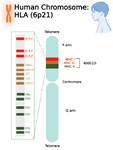
Figure 1. Genomic Map of the Human HLA Complex: Located at chromosome 6p21, encompassing ~4,000 kb and encoding HLA Class I (HLA-A, -B, -C), Class II (HLA-DP, -DQ, -DR), and Class III genes (TNF, HSP, complement C2/C4, CYP21) (29, 30). Non-HLA.
|
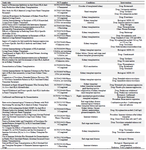
Table 1. Clinical trials evaluating HLA-mediated immune responses, desensitization, and tolerance induction in renal transplant recipients
|
|